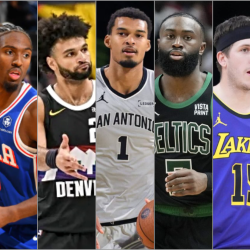
Don’t get us wrong earning nearly $70 million over four years is extreme wealth. That’s the contract that reigning MVP Shai Gilgeous‑Alexander just inked in a $285 million super‑max extension that will pay him about $79 million in 2030‑31, or nearly $1 million per game. Two weeks earlier, Devin Booker signed a similar Suns deal that tops out at $75.4 million in the same season . Eye‑popping contracts like these spark endless debates, but the context here isn’t whether we think NBA players are overpaid or underpaid, it’s how much the league is bringing in and how much should the players’ cut should be. Think about it, you go into work 40 or 50 hours a week and you get an hourly wage or salary, but if the company is doing really really well, shouldn’t you get a reasonable share of the profits?
After all, the NBA’s revenue is exploding. So with all that said, the question is worth asking: are today’s NBA stars still getting short‑changed?
Steph Curry’s “Players Are Underpaid” Argument
Steph Curry is set to earn roughly $59.6 million next season, recently told CBS Sports he still feels NBA players are under‑compensated because they cannot hold equity while active. Of course, money complaints can veer into the absurd; fans still recall Latrell Sprewell’s infamous decision in 2004 to reject a three‑year, $21 million extension by claiming he “had a family to feed.”
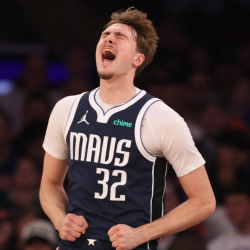
But Curry’s argument is a much more nuanced understanding of how the league works, “Franchise values have grown ten‑fold since my rookie year, and we don’t share in that upside,” he argued. The data backs him up: Golden State was valued at just $168 million in 2000, yet Forbes now pegs the Warriors at $8.8 billion, and the Lakers changed hands in 2025 for a record $10 billion. Even so, salaries remain tied only to basketball‑related income, not soaring team valuations. Role‑player economics show the mismatch, too: reserve forward Santi Aldama will average about $15 million annually—on par with NFL star Travis Kelce and MLB home‑run leader Cal Raleigh showing how basketball’s labor slice still lags franchise wealth.
The Money Pouring Into the League
The first item people think of when asked how the NBA makes money is ticket sales, but in actuality it’s a small piece of the pie — approximately 10%. The NBA’s financial pieces of pie belong to revenue streams and those firehoses keeps widening. For examples, new national‑rights package worth $76 billion kicks in for 2025‑26, with Disney, NBC/Peacock, and Amazon set to pay roughly $6.9 billion per year. Forbes meanwhile values combined franchise revenue at $11.3 billion for 2024, a 13 percent jump over the previous season, and team sponsorship deals climbed another 8 percent to $1.62 billion. Together these TV packages make up the largest piece of the NBA revenue pie.
This is against that backdrop, the average player salary reached about $12 million in 2024‑25—four times the NFL average, yet still just 51 percent of basketball‑related income flowing back to labor under the current CBA.
So how can players earn more equitable pay? They’ve floated several tweaks that could better align their pay with the NBA’s surging cash flow. First, granting athletes even a fractional slice of team equity or profit‑sharing would let them participate directly in soaring franchise valuations. Remember that the league‑wide average jumped from roughly $2 billion in 2015 to nearly $4.5 billion in 2025. Second, reforming the luxury‑tax system could raise top‑end salaries; the current repeater penalties are so steep that big‑spending teams effectively cap their own payrolls long before the collective bargaining agreement does. Third, the new 11‑year, $76 billion media deal still leaves some international streaming rights on the table; carving those revenues into basketball‑related income could lift the player share by hundreds of millions annually. The league is also tapping fresh revenue streams from in‑arena betting lounges to sponsorship tie‑ins with betting companies and Lüks Casino giriş. Those dollars rarely flow into the salary cap. Together, equity access, luxury‑tax relief, and a larger cut of global media money could push player compensation closer to the economic value they create.
So Are NBA Players Underpaid or Not?
To me and you and just about anyone else, if “fair pay” means raw dollars, the answer is “No, NBA players are not underpaid” considering future salaries will soon cross $80 million per season. But if compensation is judged by share of wealth created — as it should — Curry’s case gains traction. Franchise values and media deals are ballooning faster than the players’ salary cap, and players remain locked out of ownership upside. With opt‑outs looming in 2029, expect the next CBA fight to pivot less on max salary percentages and more on whether stars can finally take home a piece of the teams they help make priceless.

 101369